
When a power backup system requires a replacement battery or an entirely new battery pack, the decision rarely comes down to capacity alone. The battery has to align with the UPS system itself, the available installation space, the connection method in use, and how the equipment is expected to operate under real conditions. A battery that appears suitable on paper may still prove unworkable if its physical dimensions, electrical requirements, or charging conditions fail to match the existing setup.
For buyers sourcing a China UPS Battery, additional considerations tend to surface. Product specifications need careful verification, samples may need review before committing to a larger order, and communication with the manufacturer plays a direct role in whether final requirements are properly understood. OEM projects can further involve adjustments to labels, housings, cables, packaging, or other product-specific details.
A sound purchasing process therefore begins with the application itself and works toward the product, rather than starting from a supplier's quotation. The sections below examine the factors that shape this decision, covering battery selection and replacement, application conditions, purchasing verification, manufacturer evaluation, and OEM requirements.
The starting point should always be the UPS unit itself. Before comparing battery products side by side, buyers need a clear understanding of what the existing system actually requires. Battery voltage, capacity, physical size, terminal arrangement, cable connection, and available installation space all factor into overall compatibility.
How the battery will be used also deserves consideration. A system meant to provide backup during occasional interruptions may have different requirements than equipment operating in an environment where power interruptions occur regularly. Expected operating conditions can influence the type, configuration, and appropriate maintenance approach for a China UPS Battery.
A simple purchasing checklist can help keep the selection process focused:
| Check | Why it matters |
|---|---|
| Battery voltage | Needs to match the UPS battery system |
| Capacity | Relates to the intended backup requirement |
| Dimensions | Determines whether the battery can fit the available space |
| Terminals | Must work with the existing connection arrangement |
| Installation position | Affects access, ventilation, and maintenance |
| Battery type | Influences charging, maintenance, and operating conditions |
The original battery label and UPS documentation can serve as useful reference points. When such details are unavailable, photographs of the existing battery, terminal area, and installation position can help a supplier identify the required configuration accurately.
Buyers should also avoid selecting a battery based solely on a familiar model name. Products that appear similar can carry different electrical characteristics or connection arrangements. Reviewing the complete specification proves more reliable than depending on general appearance alone.
For replacement projects, it is worth confirming whether the existing battery compartment provides enough room for the proposed pack. A minor difference in dimensions or terminal position can create installation difficulties even when electrical requirements otherwise appear compatible.
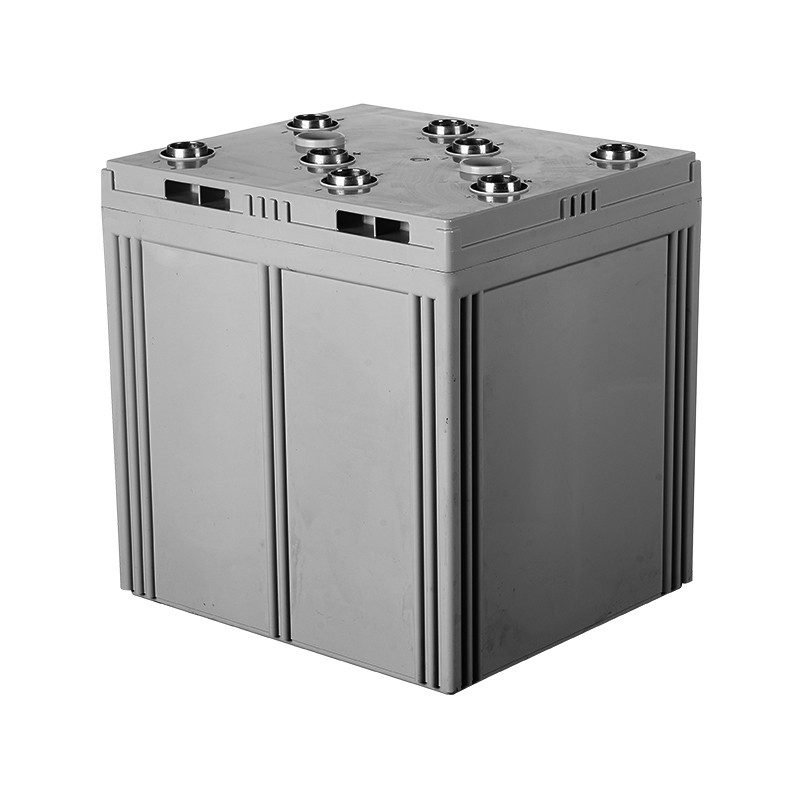
Battery type shapes how a backup system is operated and maintained over time. VRLA batteries and lithium-based batteries can both serve UPS applications, though their underlying characteristics differ in meaningful ways.
VRLA batteries remain familiar across many backup applications and are often supplied in compact, enclosed formats. Their installation and maintenance routines tend to stay fairly straightforward when surrounding conditions are appropriate. They may be considered when a conventional battery arrangement already exists and replacement compatibility is a priority.
Lithium-based batteries follow a different approach. Their physical arrangement, charging requirements, monitoring needs, and general operating characteristics can differ noticeably from VRLA products. A lithium battery should therefore not be treated as a direct substitute simply because its nominal capacity appears similar on paper.
Comparing the two becomes more manageable once the decision is tied to the actual working environment rather than general assumptions:
| Consideration | VRLA battery | Lithium-based battery |
|---|---|---|
| Existing UPS setup | Often suitable for conventional battery arrangements | Requires compatibility checking |
| Maintenance approach | Requires periodic attention to condition and installation environment | Requires appropriate battery management |
| Space considerations | Depends on battery pack arrangement | Pack design can differ considerably |
| Replacement process | Familiar for many conventional systems | Requires closer attention to system compatibility |
| Project requirements | Useful for conventional backup applications | May suit projects with different space or operating requirements |
Rather than asking which battery type is generally preferable, buyers can ask which type genuinely fits their equipment and operating conditions. This approach avoids basing a purchasing decision on a single isolated feature.
The charging system deserves equal attention. Different battery types often require different charging arrangements. When switching from one battery type to another, confirming compatibility with the UPS charging system before installation remains an important step.
Replacing an original battery pack often proves more involved than simply matching a product name. The replacement needs to function correctly with the existing UPS and fit properly within the available installation space.
Electrical compatibility represents one part of this process. Physical compatibility represents another. The replacement pack should be checked against existing dimensions, terminal location, connection method, and cable arrangement. Even a battery with a suitable voltage rating can create problems if the terminals cannot connect correctly.
Battery pack configuration also warrants attention. Certain UPS systems rely on multiple batteries connected together rather than a single unit. In these cases, the number and arrangement of batteries can affect overall system requirements considerably.
Before ordering a replacement China UPS Battery, buyers can prepare the following information:
A sample proves useful when the replacement must fit a specific enclosure or battery cabinet, allowing physical dimensions and connections to be verified before arranging a larger purchase.
A practical distinction also exists between replacing an individual battery and replacing a complete battery pack. Mixing older and newer batteries within the same system can create inconsistent operating conditions. The replacement plan should therefore be discussed with the equipment supplier or qualified service personnel whenever the configuration remains unclear.
Data center backup applications place particular emphasis on continuity, installation space, maintenance access, and equipment compatibility. The battery functions as part of a broader backup arrangement, so its selection needs to correspond closely with the UPS and the surrounding installation environment.
Space planning becomes especially important within equipment rooms. Battery cabinets, cable routes, service access, and ventilation arrangements all need consideration together. A battery that meets electrical requirements yet creates difficulties during installation or maintenance may not suit the intended location regardless of its specifications.
Maintenance access is another practical consideration worth planning around. Technicians may need to inspect connections, replace individual batteries, or check overall system condition periodically. Battery placement should therefore leave sufficient room for this kind of work rather than treating the battery as an isolated component disconnected from ongoing service needs.
The operating environment deserves attention as well. Temperature, ventilation, dust, and general installation conditions can all influence battery operation over time. These factors are worth discussing directly with the manufacturer when selecting a configuration suited to a specific facility.
For data center projects, the purchasing process often involves multiple parties. The equipment operator, system integrator, electrical contractor, and battery supplier may each contribute information that shapes the final configuration. Keeping specifications consistent across these parties helps reduce confusion during installation and later servicing.
Temperature is easy to overlook because it rarely appears on a product label the way voltage or dimensions do. Still, the surrounding environment can meaningfully influence battery operation, storage, and long-term maintenance.
A battery installed in a warm equipment room experiences different conditions than one placed in a controlled indoor environment. Cold conditions can affect operation as well. The relevant question is not simply whether the battery sits indoors or outdoors, but whether its actual surroundings match the conditions specified by the manufacturer.
Storage conditions should also be considered separately from operating conditions. A battery may pass through a warehouse, undergo transportation, and eventually reach its final installation location, with each stage involving different environmental exposures.
For purchasing teams, several questions prove useful during this stage:
These questions also help when comparing different products. Rather than treating environmental suitability as a general claim, buyers can ask the manufacturer to provide conditions directly relevant to the intended application.
Once product requirements have been clearly established, the purchasing process shifts toward supplier communication and order preparation. Bulk purchasing leaves less room for informal assumptions, so specifications should be recorded clearly before production begins.
A sample proves useful when the battery must match an existing installation closely. Buyers can compare the sample against the original product, check its dimensions, inspect the terminals, and confirm the accuracy of label information.
Documentation deserves careful review as well. The product description, specification sheet, packaging information, and order details should use consistent terminology throughout. When different documents describe the same product in conflicting ways, seeking clarification before production begins remains the sensible approach.
| Purchasing point | What to confirm |
|---|---|
| Product specification | Voltage, capacity, size, and configuration |
| Physical design | Housing, terminals, cables, and connection position |
| Packaging | Protection suitable for storage and transportation |
| Label information | Product identification and required markings |
| Sample | Whether the physical product matches the agreed specification |
| Order documents | Whether product descriptions remain consistent |
Communication regarding delivery should stay equally clear. Buyers may need to coordinate warehouse arrangements, transportation, inspection, and installation schedules. The manufacturer should understand whether the order represents a replacement product, a new system component, or an OEM product from the outset.
A quotation should therefore be evaluated alongside the specification rather than considered separately from it. A lower quoted price alone does not clarify whether two products share the same configuration, materials, packaging, or service conditions.
Supplier evaluation should focus on information that can actually be verified rather than general promotional language. A manufacturer should be able to explain its production process, product specifications, quality checks, packaging arrangements, and general handling of customer requirements clearly.
Factory communication often provides useful clues during this evaluation. A supplier that asks about the UPS model, installation space, battery configuration, and intended application is addressing genuine compatibility questions directly. This tends to prove far more informative than a generic product introduction alone.
Buyers can also ask how samples are prepared and how final production specifications are controlled throughout manufacturing. When a custom product is involved, the process for confirming drawings, labels, packaging, and other details should remain clear well before production begins.
After-sales communication represents another area worth examining. Battery replacement projects can involve installation questions or product identification issues arising after delivery. Understanding who handles technical inquiries and what information needs to be provided in advance can make future communication considerably more straightforward.
This kind of evaluation does not need to rely on a single factor alone. A reasonable supplier review can combine factory information, product samples, documentation quality, communication responsiveness, production arrangements, and the supplier's overall ability to follow agreed specifications consistently.
OEM requirements can range from simple identification changes to far more specific battery pack configurations. The overall scope should be agreed upon before production begins, since different forms of customization can affect both product design and the broader purchasing process.
External identification represents one common area of customization. A project may require a particular label, product name, packaging format, or language arrangement. Buyers should provide exact content and artwork rather than relying on informal descriptions that leave room for misinterpretation.
Physical configuration can also be discussed as part of the OEM process. Depending on the project, requirements may involve housing dimensions, terminal placement, cables, connectors, or the overall arrangement of the battery pack. Any change to these details should be reviewed carefully for compatibility with the intended UPS system.
Packaging can be treated as a separate consideration from the product itself. OEM buyers may require packaging that fits their particular distribution process, warehouse handling procedures, or internal product identification system.
Before an OEM order moves into production, a written specification can bring these various requirements together into one coherent reference. It can cover battery configuration, physical design, labels, cables, packaging, and inspection requirements. A sample or approved product reference then provides a physical basis for checking finished goods against what was originally agreed upon.
For buyers working with a China-based manufacturer, clear communication becomes particularly important when a project involves several customized elements simultaneously. Small differences in wording can lead to different interpretations, so drawings, photographs, product specifications, and approved samples all help keep production requirements consistent from planning through delivery of the finished China UPS Battery order.



 English
 русский
 عربى
عربى