
Bathrooms get used every single day, and small design choices really do shape comfort, convenience, and how much upkeep the space needs. Traditional toilet seats tend to make noise when they drop suddenly, especially when someone closes them without much thought. That's really pushed more people toward toilet seat designs that move smoother and close a lot quieter.
An Anti Slam Toilet Seat is built to cut down on that sudden closing impact through a controlled closing mechanism. Rather than focusing purely on looks, people are paying more attention to how these products actually behave day to day — installation, cleaning, durability, how well they fit different toilet designs.
For homeowners, picking a suitable toilet seat can make the whole bathroom experience feel a lot more comfortable. For suppliers, retailers, and brands, understanding what users actually expect helps shape products that fit different market needs. From material choice through to manufacturing process, every little detail can shape how a toilet seat performs once it's installed.
The core idea behind a soft closing toilet seat really comes down to controlling how the seat moves on its way down. Unlike a standard seat that can drop fast, this closing process gets slowed through a specially designed hinge system.
Once the seat gets pushed down, the hinge creates resistance that pulls back on the speed. That lets the seat and lid settle gradually, rather than dropping straight onto the bowl. This design really helps cut sudden impact and keeps the bathroom a lot quieter overall.
The closing experience depends on a handful of structural details:
A well-designed soft closing structure really isn't just about cutting noise, either. It also helps shield the toilet seat from repeated impact over regular use. For families with kids, shared bathrooms, or spaces where quiet operation actually matters, this kind of design tends to make daily use a lot more comfortable.
| Design Element | Function in Daily Use |
|---|---|
| Soft closing hinge | Controls the speed of movement |
| Stable fixing parts | Helps keep the seat in position |
| Balanced seat structure | Supports smoother opening and closing |
| Suitable surface material | Makes cleaning and maintenance easier |
The working principle might look simple on the surface, but the actual design takes attention to a lot of small details. Manufacturers usually weigh movement control, user habits, and installation conditions pretty carefully while developing these products.
Picking a toilet seat really isn't only about matching a style to the bathroom's look. Users also need to check whether the product actually fits their toilet model and whether the design covers what they need day to day.
Before buying, a few things are worth checking:
A common mistake during replacement is picking a product purely on looks. Even when two toilet seats appear pretty similar, their fixing positions or dimensions can differ quite a bit. Measuring the existing toilet before buying really helps avoid installation headaches later.
Different users tend to carry different expectations too. A family bathroom might lean toward quiet closing and easy cleaning, while a commercial space might care more about handling frequent use with simple upkeep.
| User Requirement | Important Consideration |
|---|---|
| Home bathroom | Quiet closing and easy cleaning |
| Rental property | Simple installation and maintenance |
| Hotel or public space | Stable structure and convenient replacement |
| Renovation project | Compatibility with existing toilet design |
A suitable choice really comes down to matching product features against the actual environment it's going into. That approach helps people land on an Anti Slam Toilet Seat that genuinely works with their bathroom layout.
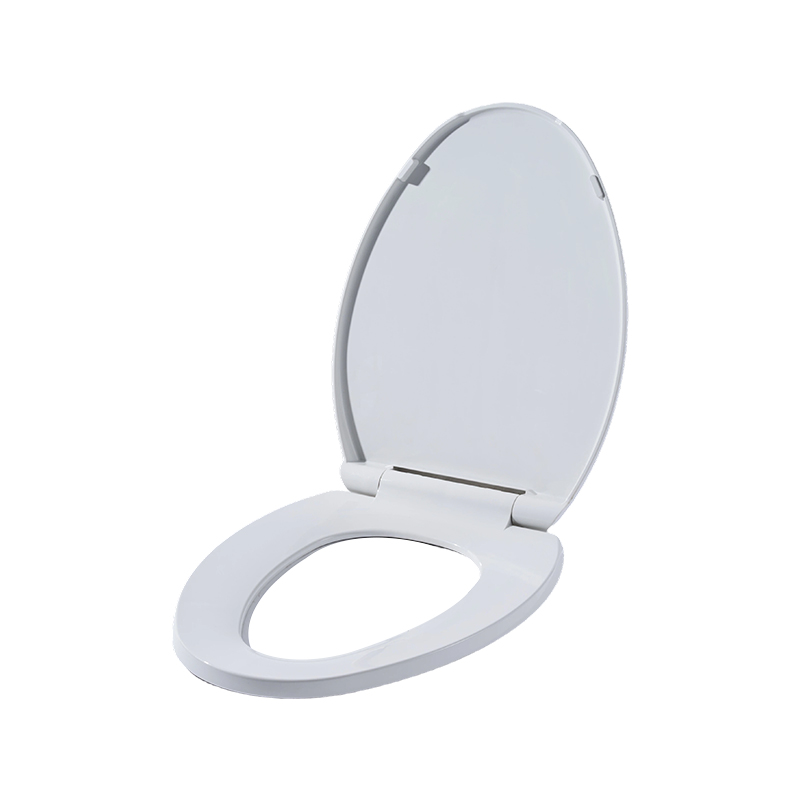
The size and shape of the toilet really matter when replacing a seat. A product that doesn't match the toilet design can shift around during use or leave gaps once installed.
Most toilets come in different shapes — elongated, rounded, and variations in between. It's worth checking bowl shape, mounting position, and overall dimensions before settling on a decision.
Worth paying attention to:
Installation stability really doesn't rest on the toilet seat alone — it depends just as much on how well it matches the toilet base underneath. A correct fit lets the seat sit in a comfortable position through everyday use.
For manufacturers, understanding different toilet designs matters a lot, since customers from different regions often use different toilet models. Product flexibility and accurate sizing information really do improve the whole buying experience.
The hinge really is one of the key parts shaping how a toilet seat operates. It's small, sure, but it connects the seat to the toilet and controls movement through opening and closing alike.
A suitable hinge system needs to balance a few things at once:
If the hinge design isn't quite right, users might notice uneven movement, loose connections, or shifts in closing speed over time.
Manufacturers usually pay close attention to how hinge structure relates to seat weight. A balanced design helps create a closing motion that feels natural, without needing extra effort from whoever's using it.
The hinge system shapes maintenance too. A design that's easier to clean and adjust tends to make the whole product a lot more convenient over the long haul.
Material choice shapes appearance, comfort, and how easy the seat is to maintain. Different materials bring different surface characteristics and open up different design possibilities.
Materials that show up often in production include:
Each material carries its own traits. Some shape more easily during production, while others offer a different surface texture or visual feel once finished.
| Material Type | Common Characteristics |
|---|---|
| Polypropylene | Lightweight and suitable for various designs |
| Urea-formaldehyde | Solid feel and smooth surface appearance |
| Metal components | Used for structural connection and support |
Manufacturers really need to weigh more than just appearance here — production requirements, cleaning habits, and customer expectations all factor in. A suitable material combination helps build an Anti Slam Toilet Seat that fits a range of bathroom environments comfortably.
Like most bathroom products, toilet seats can run into issues after installation or through regular use. A lot of these problems trace back to installation, cleaning habits, or component adjustment.
Loose Seat Movement
A loose seat often shows up when fixing parts aren't tightened properly, or when the mounting position shifts after repeated use. Checking and adjusting those fixing points usually helps restore stability.
Closing Speed Changes
If the seat stops closing smoothly, the hinge area might need a closer look. Dust buildup, wear, or incorrect installation can all throw off the movement.
Surface Damage During Cleaning
Using rough or unsuitable cleaning tools can affect the seat's surface appearance over time. Gentler cleaning methods tend to work better for keeping the product in good shape.
Regular inspection paired with proper care really does cut down on these common problems and helps keep the bathroom experience comfortable.
Manufacturing a toilet seat runs through several production stages, from material preparation right through to final inspection. Each step feeds into the quality and consistency of what eventually reaches the customer.
A typical production process tends to include:
During production, manufacturers check appearance, structure, connection parts, and how well the movement performs. These checks help make sure the finished product actually meets customer requirements before it ships out.
For brands and distributors, understanding how manufacturing actually runs helps them pick suitable suppliers and communicate expectations a lot more clearly.
Manufacturing really isn't just about shaping the product itself. It's also about strengthening the relationship between design, materials, and how the product actually feels to use.
Different brands tend to carry different requirements for bathroom products. OEM cooperation lets manufacturers adjust products around customer needs — design preferences, packaging requirements, product specifications, all of it.
When working with a manufacturer, buyers might want to think through:
A cooperation process that actually works starts with clear product information and realistic requirements upfront. Manufacturers really need to understand the target market and offer solutions that genuinely match what the customer's expecting.
For businesses stepping into the bathroom product market, a customized Anti Slam Toilet Seat solution can help build something that fits their brand positioning while still holding onto consistent production standards.
The pull toward quieter, more convenient bathroom products keeps shaping how these seats get designed. By staying focused on structure, materials, installation, and manufacturing details, suppliers can respond a lot more effectively to whatever customers actually need next.



 English
 русский
 عربى
عربى