
Lead acid batteries are still used in many stationary power applications where batteries need to remain organized, protected, and accessible for routine inspection. In these settings, simply placing batteries in an open area may create problems with space management, ventilation, maintenance access, and exposure to the surrounding environment. A dedicated Lead Acid Battery Container provides a defined space where these factors can be considered together.
The choice of enclosure is not only about whether the batteries can physically fit inside. Internal arrangement, airflow, material selection, installation conditions, and access for inspection all affect how the storage area works during everyday use. A container also needs to suit the type of battery arrangement and the conditions at the installation site.
For buyers and operators, this means looking beyond the external appearance of a storage enclosure. The relationship between the batteries and their surrounding space is often more important than any individual feature. A practical approach starts with the intended battery arrangement and then considers ventilation, materials, installation, environmental exposure, and ongoing inspection.
A battery container creates a defined location for stationary batteries and helps keep the installation organized. Instead of treating each battery as a separate item, the enclosure provides a shared space for the battery bank, supporting structure, connections, and access areas.
The physical arrangement matters during normal operation. Batteries need to remain stable and accessible, while the surrounding enclosure should not interfere with inspection or routine handling. A suitable enclosure can also separate the battery area from unrelated equipment and reduce exposure to dust, moisture, accidental contact, and other site conditions.
Another consideration is housekeeping. An organized battery area makes it easier to identify individual batteries, inspect visible surfaces, check connections, and notice changes in the surrounding environment. When equipment is crowded into an unsuitable space, routine checks can become inconvenient and problems may be overlooked.
The enclosure therefore serves several practical purposes:
The exact design depends on how the batteries will be installed and used. A storage arrangement for a compact indoor installation may have different requirements from one placed in a separate outdoor area.
The internal arrangement should be considered before selecting the external dimensions of a container. Battery quantity is only one part of the calculation. The physical size of each battery, its orientation, connection points, and the space needed around the units also influence the layout.
A tightly packed arrangement may appear efficient, but limited access can make inspection and maintenance difficult. On the other hand, excessive unused space can make the enclosure unnecessarily large and complicate transportation or site placement.
The layout should leave enough room for routine work around the batteries. Doors, removable panels, cables, supports, and ventilation openings also need to be considered rather than added after the battery arrangement has already been decided.
| Layout factor | Why it matters |
|---|---|
| Battery dimensions | Determines the basic internal space required |
| Battery arrangement | Affects access, airflow, and cable routing |
| Connection areas | Need room for inspection and service work |
| Support structure | Keeps the battery arrangement stable |
| Service access | Allows routine inspection without unnecessary movement |
| Ventilation openings | Need to remain unobstructed |
The weight distribution should also be considered. Batteries are relatively heavy, so their position inside the enclosure can affect the load placed on the base and supporting structure. Keeping the arrangement balanced can help avoid unnecessary stress on the container floor.
A well-planned layout therefore considers the battery bank as a complete installation rather than simply counting how many units can fit inside.
Ventilation is an important consideration because the conditions inside an enclosure can differ from those in the surrounding room or outdoor area. During charging and operation, lead acid batteries can release gases. If these gases accumulate in an enclosed space, the internal environment may become unsuitable for normal battery storage.
Airflow provides a way to move unwanted gases away from the battery area. It can also help prevent excessive heat from remaining around the batteries. For this reason, ventilation should be considered as part of the enclosure design rather than treated as an accessory added later.
The position of air openings affects how air moves through the storage area. Openings that are blocked by batteries, structural members, cables, or nearby equipment may reduce the intended airflow. The surrounding installation space also matters because an enclosure cannot provide effective ventilation if its external openings are obstructed.
Natural airflow may be suitable in some installations, while other locations may require additional ventilation arrangements. The appropriate approach depends on the battery setup, enclosure design, and installation environment.
Ventilation also needs to be compatible with protection requirements. Openings should allow the intended airflow without creating unnecessary exposure to rain, dust, or other external conditions. This is where enclosure design becomes a balance between airflow and environmental protection.
Material selection is closely related to the conditions created by the batteries and the surrounding installation. Lead acid battery areas can expose enclosure surfaces to moisture, corrosive substances, and accidental spills. The material therefore needs to suit the environment rather than being selected only according to appearance or initial cost.
Metal enclosures can provide structural support and a rigid external shell, while suitable coatings or surface treatments may be used where corrosion resistance is needed. Non-metallic materials may also be considered when resistance to moisture or corrosive exposure is an important concern.
The floor deserves particular attention. It supports the battery load and may also be exposed to leakage or cleaning fluids. A suitable floor surface can make cleaning easier while helping protect the underlying structure.
| Material consideration | Practical question |
|---|---|
| Structural strength | Can the enclosure support the intended battery arrangement |
| Corrosion resistance | Can the material tolerate the surrounding conditions |
| Surface treatment | Is the finish appropriate for the installation environment |
| Floor protection | Can the base handle possible spills and routine cleaning |
| Moisture resistance | Is the material suitable for the expected humidity |
| Maintenance | Can damaged or worn surfaces be inspected and addressed |
Material choice should therefore be considered together with installation conditions. A container used in a dry indoor area may face different environmental exposure from one located in a humid or coastal setting.
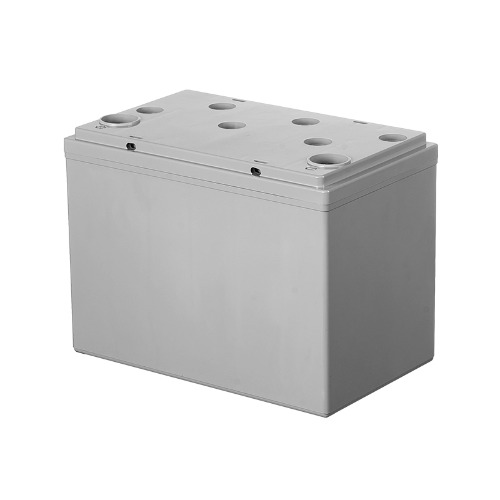
The installation location affects how the enclosure performs during everyday operation. Before placing a Lead Acid Battery Container, the surrounding area should be considered from several perspectives, including access, ventilation, floor conditions, environmental exposure, and service requirements.
An indoor location can provide protection from rain and direct sunlight, but the room still needs appropriate ventilation and sufficient working space. An outdoor installation introduces additional concerns such as weather exposure, moisture, temperature changes, and surface corrosion.
The floor or supporting base also needs to accommodate the loaded enclosure. An unsuitable surface can create stability problems and make doors or panels difficult to operate correctly.
Access is another practical issue. Operators may need to inspect batteries, check connections, clean surfaces, or carry out maintenance. If the enclosure is positioned too close to walls, machinery, or other obstacles, routine work can become difficult.
A useful site review should consider:
The container should also fit into the wider equipment layout. Positioning it correctly from the beginning can reduce the need for later changes to cables, ventilation, access routes, or surrounding equipment.
Temperature and humidity can influence the conditions around stored batteries as well as the enclosure itself. An installation exposed to large temperature changes may experience condensation, while consistently humid surroundings can contribute to corrosion on suitable surfaces and components.
Heat can also accumulate inside an enclosure when airflow is restricted. This is why environmental conditions should be considered together with ventilation rather than treated as a completely separate issue.
Outdoor installations require particular attention because the enclosure may experience direct sunlight, rain, changing temperatures, and moisture from the surrounding air. Even when the outer shell provides weather protection, ventilation openings, doors, joints, and connection areas still need appropriate consideration.
Humidity can also affect the cleanliness of the storage area. Dust combined with moisture may create conditions that make surfaces harder to maintain and inspect.
For installations in challenging environments, buyers should consider whether the enclosure's construction and surface treatment are suited to the expected conditions. The same design may not be appropriate for every location.
Environmental assessment should therefore take place before installation, with attention to the conditions that the container will experience during normal use rather than only the conditions present on the day of installation.
Regular inspection helps identify visible changes before they interfere with normal operation. The inspection does not need to focus solely on the batteries. The enclosure itself can provide useful signs about the condition of the storage area.
The external shell should be checked for corrosion, physical damage, loose parts, or deterioration of protective surfaces. Doors and access panels should also be inspected to make sure they remain usable and properly positioned.
Inside the enclosure, attention can be given to the battery supports, floor surface, ventilation openings, and areas around the batteries. Signs of leakage, moisture, unusual deposits, or blocked airflow may indicate that further investigation is needed.
The inspection process can include:
Inspection should also reflect changes at the installation site. New equipment, relocated cables, accumulated materials, or construction work near the enclosure can affect access and ventilation even when the container itself has not changed.
This makes inspection more than a check of physical damage. It is also a way to confirm that the surrounding installation continues to provide the conditions required for normal battery storage.
Selecting an enclosure requires the battery arrangement and installation environment to be considered together. A container that fits the batteries physically may still be unsuitable if it does not provide appropriate access, ventilation, structural support, or environmental protection.
The first question concerns the battery arrangement. Buyers should know the battery dimensions, orientation, connection layout, and available service space before deciding on the enclosure size. This prevents the internal layout from becoming an afterthought.
The next consideration is the installation environment. Indoor and outdoor locations can place different demands on the enclosure. Temperature, humidity, rain exposure, airflow, and floor conditions should all be considered before the design is finalized.
Material selection should follow the same logic. Instead of selecting a material in isolation, buyers can evaluate its suitability for the expected moisture, corrosion, structural, and maintenance conditions.
Procurement discussions are easier when the requirements are organized into clear categories:
| Procurement area | Questions to consider |
|---|---|
| Battery arrangement | Will the internal space suit the planned battery layout |
| Ventilation | Can air move through the intended openings without obstruction |
| Construction | Is the structure appropriate for the battery load |
| Materials | Are surfaces suitable for the expected environment |
| Installation | Does the site provide adequate space and support |
| Maintenance | Can operators reach the areas that require inspection |
| Environmental exposure | Is the enclosure suitable for indoor or outdoor conditions |
| Future service | Can routine changes or maintenance be carried out without major rearrangement |
The purchase decision should ultimately reflect the complete storage setup rather than one isolated specification. When battery arrangement, ventilation, materials, installation conditions, and inspection requirements are considered together, the enclosure can fit more naturally into the way the battery system is operated and maintained.



 English
 русский
 عربى
عربى