
In battery systems, the enclosure is not a background part. It shapes how the unit holds up under pressure, heat, movement, and long-term use. A well-built housing can help keep the internal structure steady, support safe handling, and reduce avoidable wear around vulnerable points.
For manufacturers and buyers, the real question is often not whether a design looks strong, but how it behaves once it is put into daily service. That is where AGM Battery Case design becomes a practical topic. Material choice, structure, sealing, and local stress all affect how the enclosure performs when conditions change.
In practical use, performance is not a single feature. It is the combined result of fit, strength, chemical resistance, handling stability, and how the enclosure responds after repeated use. A shell may look unchanged at a glance, yet still show signs of fatigue in corners, joints, or around connection points.
For buyers, the useful question is often this: does the design hold its shape under normal strain, or does it begin to show weakness after routine operation? That is why performance should be viewed through several layers rather than through appearance alone.
A few points usually shape that view:
In many reviews, AGM Battery Case performance is judged by how quietly it does its job. If there is little visible distortion, limited wear, and no repeated handling issues, the design is usually doing the work it was meant to do.
Material choice often sets the tone for the entire product. Some materials offer a firmer feel. Others provide more flexibility under strain. Some hold up better when exposed to changing conditions, while others are easier to process in manufacturing.
This is why the material decision is rarely about one trait alone. It is usually a balance between strength, handling, durability, and cost control. A material that works well in one setting may not suit another where heat, movement, or chemical contact is more common.
| Material Focus | What It Can Influence | What Buyers Often Watch For |
|---|---|---|
| Rigid formulation | Shape retention and surface feel | Whether the shell keeps form during handling |
| Flexible formulation | Impact response and strain relief | How it behaves during movement or contact |
| Heat-tolerant formulation | Stability in warmer conditions | Whether softening or warping appears |
| Chemical-resistant formulation | Surface durability and long use | Signs of wear after exposure |
The point is not that one material suits every use. It is that the material should match the working environment. When that match is weak, the housing may still function for a while, but small changes begin to appear in shape, fit, or surface condition.
AGM Battery Case design choices often start here, because once the material is fixed, the rest of the structure has to work within that frame.
Movement changes how a structure behaves. Even when the load seems steady, vibration can create slow internal stress that builds over time. That stress does not always show up at once. It may appear first as slight loosening, minor shape change, or small marks near contact points.
Stability under movement depends on how the structure spreads force. If the walls are too thin in one area and too stiff in another, the pressure may collect in a narrow zone. If the support layout is uneven, one side may carry more strain than the other.
Common design features that help with stability include:
There is also a practical side to this. A stable enclosure is easier to handle, easier to install, and less likely to create concerns during transport or routine service. That matters to distributors, assemblers, and end users alike.
In this context, AGM Battery Case stability is not only about how strong the shell feels. It is also about how evenly the force moves through the structure when the system is in motion.
Sealing is one of the quietest but most important parts of the design. A clean external shape does not help much if the joint areas do not hold up over time. Small gaps or weak bonds can affect containment, and even a slight loss of sealing quality can create concern during use.
The sealing structure has two jobs. It helps keep material where it should stay, and it supports controlled release behavior when internal pressure changes. Those two tasks need to work together. If the seal is too loose, containment becomes less reliable. If it is too tight without enough allowance for pressure change, the structure may be stressed more than needed.
What often matters in sealing design:
This is one reason sealing is often checked closely during quality review. It is not only a final step. It affects the service life and the user’s confidence in the product.
For manufacturers, AGM Battery Case sealing quality is often a sign of how carefully the whole enclosure was made. A stable seal usually reflects stable production control.
Certain locations carry more strain than others. Terminal areas are one of those places. They face repeated contact, assembly pressure, and local force transfer, so they tend to reveal weak points earlier than flatter sections of the shell.
Stress in this area can form for several reasons. The surrounding structure may be too tight. The connection point may concentrate force in a small space. Heat changes and repeated handling can also add movement that slowly affects the material around the joint.
Signs that often point to local stress include:
The important point is that these changes are usually local before they become visible across the full enclosure. That makes the area useful for inspection, because it can reveal how well the design is holding up under real use.
AGM Battery Case performance at the terminal zone often reflects the quality of the full design. If stress gathers there, the structure may need a better balance between fit, support, and movement allowance.
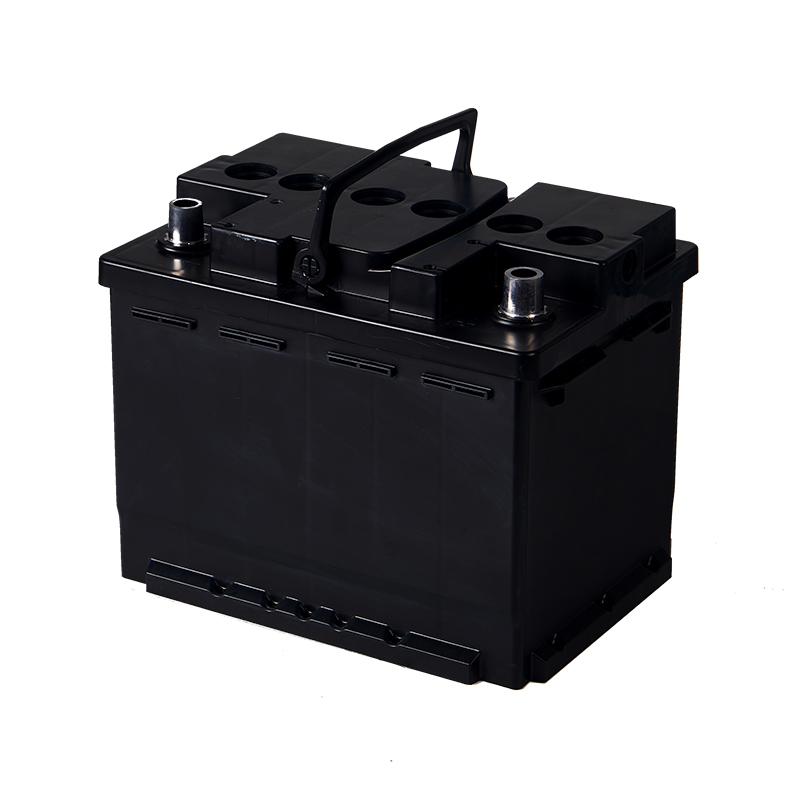
Durability is usually judged through repeated checking rather than a single pass. A housing may appear acceptable at the start, yet reveal weak points after handling, movement, or exposure to changing conditions. That is why testing is less about a single moment and more about how the structure responds across different kinds of strain.
In industrial use, the key question is not only whether the shell remains intact, but whether it keeps its form, fit, and closure quality after repeated pressure. A practical review often looks at the same item from several angles at once.
Common ways to examine durability include:
For buyers and manufacturers, this kind of review helps separate appearance from performance. A unit can look clean on a shelf and still show stress once it is placed into real service. In that sense, AGM Battery Case testing is not only about approval. It is also about reducing uncertainty before wider use.
Durability review also helps compare production batches. If one set behaves differently from another under the same conditions, the difference may point to material variation, process shift, or assembly inconsistency. That makes testing useful not just for quality control, but for process control as well.
Temperature changes can alter how a structure feels, moves, and holds its shape. In warmer conditions, some materials may soften slightly, which can affect firmness or surface stability. In cooler conditions, the same structure may feel more rigid or more brittle, which changes how it responds to handling or stress.
The impact is not always dramatic. Often it begins with small changes that are easy to miss at first. Edges may feel less crisp, joints may look less even, or the surface may show a slight shift in appearance. Over time, those small changes can matter more than a single obvious defect.
What tends to matter most is how the shell manages repeated change rather than one isolated temperature state. Storage and operation do not always happen in the same environment, so the enclosure may need to remain stable across both.
Points that often affect behavior:
For technical buyers, this is one reason environmental behavior deserves attention early. A case that holds shape in one setting may not behave the same way elsewhere. AGM Battery Case selection therefore often depends on the expected storage space, transport route, and working area, not just the final use point.
Reliability usually comes from balance rather than from a single strong feature. In energy storage systems, the enclosure has to support steady use, resist movement, and keep its structure consistent over time. If one part of the design is too rigid and another too loose, the whole unit can become harder to trust in regular service.
Design choices that help reliability are often simple in principle, even if they take care to execute well. These include better load distribution, cleaner edge transitions, and a layout that reduces strain at connection zones. The goal is to keep force from gathering in one narrow area.
Useful design directions often include:
There is also a practical service side. A reliable enclosure is easier to inspect, easier to transport, and less likely to create handling concerns during installation. That matters in systems where access may be limited and replacement may take time.
In energy storage use, the enclosure often works quietly in the background. When it is designed well, it tends not to draw attention. That is usually a positive sign. AGM Battery Case reliability is often noticed most when the design avoids repeated issues rather than when it tries to stand out.
Some environments place more pressure on the enclosure than others. UPS systems and automotive use both create conditions where the housing needs to remain steady while the surrounding system changes. In those cases, performance becomes important not because the shell is visible, but because it sits inside a working environment that demands consistency.
In UPS settings, stability matters because the unit may sit in place for long periods while still facing heat build-up, limited space, and service expectations. In automotive settings, movement, vibration, and repeated change create a different kind of challenge. The enclosure must stay dependable while the system is in use and while it is being handled, installed, or inspected.
The critical points in these applications often include:
These are not abstract concerns. They affect daily use, maintenance timing, and the confidence people place in the product. If the enclosure performs steadily, the rest of the system is easier to manage. If it becomes unstable, even small issues can become noticeable in service.
AGM Battery Case performance in these settings is therefore tied closely to practical use rather than theory. The more demanding the application, the more important it becomes that the structure behaves in a predictable way.



 English
 русский
 عربى
عربى