
When a pet starts avoiding jumps, hesitating near the car, or pausing before stepping onto a sofa, the problem is often not fear alone. It can be a matter of comfort, balance, and confidence. A well-chosen support surface can make daily movement feel less abrupt and more natural, especially for animals that need a gentler way to move between levels. A Non-Slip Pet Ramp is often discussed for travel, but its value also shows up at home, where repeated small movements can matter just as much as longer trips.
The right choice depends on how the pet moves, where the ramp will be used, and how much support is needed during everyday routines. Some animals need a wider walking area. Others need a gentler slope or a steadier surface under their paws. The details matter because a small mismatch can affect whether the pet uses it with ease or avoids it entirely.
Pets usually do not think in terms of "access" or "mobility." They react to comfort. If a surface feels unstable, too narrow, or hard to trust, they may stop using it. That is why a safer walking path can change the way they approach beds, couches, vehicle entrances, and other raised spots.
A good setup supports movement in a few practical ways:
For households with active pets, the difference may not be dramatic at first. But over time, a steadier path can make repeated movement less stressful. That is especially useful when a pet uses the same route every day.
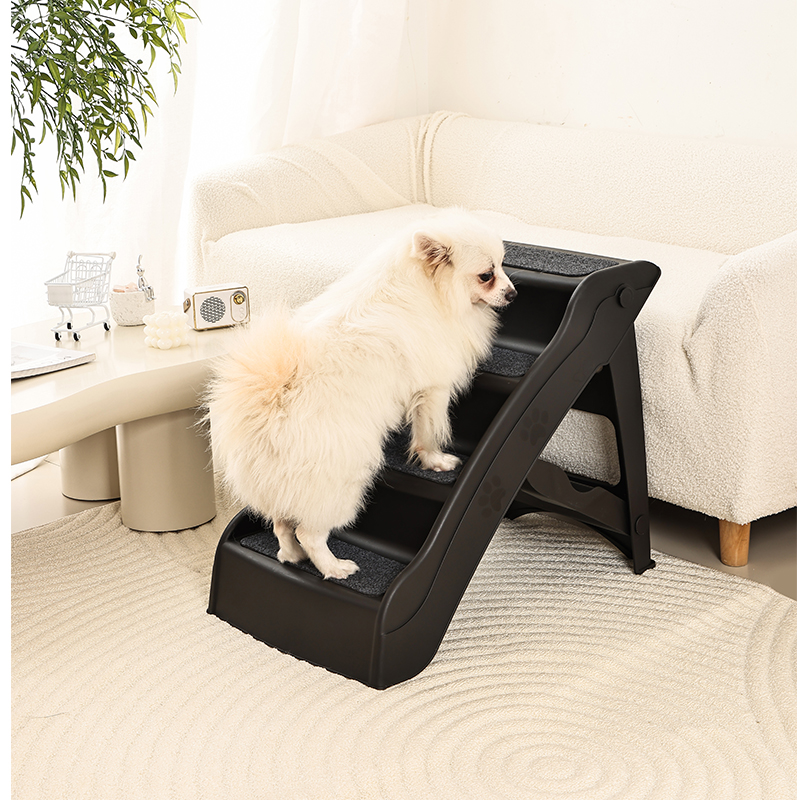
Older pets often change their pace before they show clear signs of discomfort. They may step more carefully, avoid high furniture, or wait at the edge of a vehicle instead of climbing in. In those moments, a Non-Slip Pet Ramp can fit into the routine without forcing the pet to make a difficult leap.
The main value is not speed. It is ease. A gentler path can suit pets that move more slowly or need extra time to feel steady. It also helps when an animal has a cautious walking style and prefers predictable footing.
Some owners notice that the pet uses the ramp more willingly when the path looks simple and open. Wide footing, visible traction, and a stable frame all support that response. When the surface feels familiar under the paws, the pet is less likely to hesitate.
A few common situations often point toward this kind of support:
Not every pet approaches movement in the same way. Size, weight, age, confidence, and walking style all shape the choice. A compact dog may need a different surface feel than a larger one. A cautious pet may care more about width and grip than appearance. A lively pet may need a design that stays steady even during quick steps.
| Pet need | What to look for | Why it matters |
|---|---|---|
| Small body size | Lower walking effort and clear footing | Helps the pet step with less hesitation |
| Larger body size | Wider path and steady support | Gives more room for balanced movement |
| Older pets | Gentle incline and reliable surface | Reduces strain during daily use |
| Cautious pets | Visible traction and stable placement | Builds trust during first use |
| Travel use | Easy carrying and simple setup | Makes short trips less complicated |
| Home use | Space fit and quiet placement | Helps the pet use it more naturally indoors |
The goal is not to choose the fanciest option. It is to match the product to the animal's habits. A pet that walks carefully may do better with a calmer, more open design. A pet that moves quickly may need stronger placement and a wider path. When the choice reflects real behavior, acceptance tends to improve.
The place where the ramp will be used matters as much as the pet itself. A route into a car is not the same as a route onto a bed. Outdoor ground can be uneven. Indoor floors can feel smooth but may shift under a loose base. Each setting changes what the pet needs from the surface.
For car use, the main concern is usually a clean transition from ground to vehicle. The ramp should align with the entry point in a way that feels natural, without making the pet climb too sharply. For beds or sofas, household space becomes more important, along with quiet placement and ease of moving the product out of the way. Outdoors, the focus often shifts to surface contact, steadiness, and how well the product handles changing ground conditions.
A simple way to think about it is this:
A Non-Slip Pet Ramp used in different places should still feel familiar to the pet. If the walking surface changes too much from one setting to another, some animals may need time to adjust. Consistency can help the pet trust the movement pattern, whether it is for a short trip or a daily home routine.
Material choice affects how the ramp feels, how it holds shape, and how it behaves during regular use. Some pets move with care and need a surface that feels steady under each step. Others move more quickly and need a structure that does not shift easily. In both cases, the build needs to support everyday handling without adding unnecessary weight or bulk.
A practical design often combines a firm body with a walking surface that gives clear traction. The outside layer matters because paws need grip, but the inner structure matters too because it helps the product keep its shape. When these parts work together, the ramp feels more predictable to the pet.
Manufacturers often consider a few points at the same time:
A Non-Slip Pet Ramp built with these needs in mind usually feels more balanced in daily use. The goal is not to add complexity. The goal is to create a surface that supports movement without drawing attention to itself.
Design starts with the way pets move, not with the outer shape alone. A pet that hesitates at the edge of a surface needs a clear path. A pet that moves with confidence still benefits from a steady walking area. For that reason, the structure has to feel open enough to use and firm enough to trust.
Stability often comes from the way the base meets the ground. If the support points are arranged well, the ramp is less likely to shift while the pet steps onto it. Comfort comes from the walking angle, the surface feel, and the way the pet sees the path ahead. A design that looks simple to people may still make a large difference to the animal.
| Design feature | Practical effect | What the pet may notice |
|---|---|---|
| Steady base | Helps limit movement during use | Less hesitation before stepping on |
| Clear walking path | Makes the route easier to follow | More direct movement |
| Gentle incline | Reduces pressure during climbing | Easier stepping rhythm |
| Traction surface | Supports paw grip | More confidence on each step |
| Simple fold or storage shape | Makes handling easier for owners | More likely to stay in regular use |
A Non-Slip Pet Ramp does not need to look complicated to work well. In many cases, simple structure and reliable support are easier for pets to accept than a product with too many changes in shape or feel.
The most useful features are often the ones that affect daily use in quiet ways. A pet may not react to labels or product claims, but it will react to surface feel, movement, and the amount of room it has to step. That is why it helps to look at the product as a working tool rather than as an accessory.
A few details deserve closer attention:
It also helps to think about the pet's habits. Some animals pause before every step. Others prefer to walk through a route without stopping. A design that supports both types of behavior is often more adaptable in real life. A Non-Slip Pet Ramp chosen with those habits in mind is more likely to become part of the routine rather than something the pet avoids.
Travel and home care place different demands on movement, but both rely on the same idea: pets do better when the route feels clear and steady. In the car, the ramp can reduce the effort involved in entering or leaving the vehicle. At home, it can help with repeated movement onto furniture or other raised spaces that appear simple to people but feel less simple to a pet.
The value often shows up in small moments. A pet that used to wait at the edge of a seat may begin moving with less hesitation. An owner who used to lift the pet more often may find the routine easier to manage. These changes do not depend on dramatic features. They depend on whether the path feels usable every day.
For a household that moves between indoor and outdoor settings, the same product can support several habits at once. It may help with:
A Non-Slip Pet Ramp fits best when it matches the pet's actual behavior and the owner's daily routine. When those two things align, the product becomes part of normal movement instead of a separate task to manage.



 English
 русский
 عربى
عربى