
Choosing a shelter for a dog is rarely about one feature alone. Size, placement, surface conditions, airflow, cleaning habits, and daily use all shape whether the space feels workable in real life. A careful buyer usually looks beyond appearance and asks how the structure will behave in changing weather, how easy it will be to maintain, and whether it can fit the dog's routine without creating extra trouble.
For many buyers, an Outdoor Plastic Dog House stands out because it can fit into a range of outdoor settings without demanding complicated care. It can be placed in a yard, beside a porch, near a fence line, or in a shaded corner where the dog spends time during the day. The real decision is not only about material. It is about whether the shape, entry, ventilation, and layout match the dog's habits and the climate around the home.
Size is usually the first practical question, and it should not be handled by guesswork. A shelter that feels too tight can make movement awkward. One that feels too open may seem less sheltered when the weather changes. The right fit leaves enough room for the dog to turn, lie down, and rest without feeling boxed in or lost inside the space.
Breed can be a useful guide, but it should not be the only one. Two dogs with the same breed label may still have different body shapes or resting habits. A taller dog may need more head room, while a broader dog may need a wider floor area. Outdoor space matters as well. A compact yard may call for a shape that fits neatly without blocking walkways, while a larger open area may allow for a more spacious layout.
A practical way to judge fit is to think about the dog's everyday posture. Does the dog curl up when resting, or does it stretch out? Does it prefer a quiet corner, or does it move around a lot before settling? These details often matter more than appearance alone.
A good shelter is usually defined by small design choices that reduce friction over time. The entrance should feel easy to use, the roof should direct water away from the resting area, and the floor should stay stable on the ground. If cleaning is awkward, daily care becomes harder than it should be. If the structure shifts too much in wind or on uneven ground, it can create stress for the dog.
Many buyers focus on the outer shape and forget about the relationship between the parts. A well-fitted roof, a solid base, and a smooth interior surface can make routine use far more manageable. Rounded corners can help reduce accidental bumps. A raised base can help limit contact with damp ground. A simple layout can also make washing and drying easier.
| Feature to check | Why it matters | What to look for |
|---|---|---|
| Entry shape | Affects easy movement | A doorway that feels comfortable for the dog |
| Roof design | Helps with rain and shade | A shape that directs water away from the opening |
| Base stability | Supports safer placement | A floor that sits firmly on the ground |
| Interior finish | Affects cleaning and comfort | Smooth surfaces with fewer hard-to-clean corners |
| Airflow openings | Supports daily comfort | Openings that help fresh air move through |
An Outdoor Plastic Dog House should feel simple to live with, not complicated to manage. That is often the real test of a useful design.
Material choice influences both daily use and long-term upkeep. Some buyers want a surface that resists moisture and wipes clean without much effort. Others care more about how the structure holds up under sun, rain, and repeated use. In many cases, the right material is the one that balances these practical needs without adding extra care steps.
A smooth, sturdy surface can help prevent dirt from building up in hidden places. That matters for outdoor use, where dust, mud, and water tend to collect more quickly than indoors. A material that does not absorb moisture easily can also reduce the chance of lingering smells after cleaning. When the surface is easy to rinse and dry, the shelter becomes easier to keep ready for daily use.
The material should also feel stable in changing weather. Outdoor placement means the shelter may face direct sun in one season and damp air in another. If the outer shell is too fragile, it may fade, crack, or warp more quickly. If it is too hard to clean, the time saved on durability may be lost during maintenance.
A useful rule is to think about the life of the product in relation to the life of the dog. A dog shelter should not need constant attention to remain useful. An Outdoor Plastic Dog House is often chosen because it can fit into a routine that is realistic for busy owners.
Weather is one of the main reasons people choose a shelter for outdoor use. A dog may need shade during bright weather, protection from rain, and a quieter resting area when the air feels cold or damp. Comfort does not come from one feature alone. It comes from how several details work together.
Placement is part of the answer. A sheltered position under partial shade can reduce harsh sun exposure. A location away from strong wind can make the interior feel calmer. If the shelter sits on a surface that stays dry, the dog is less likely to rest in a damp area after rain. Interior comfort also depends on the shape of the entrance and the way air moves through the space.
| Weather condition | Practical concern | Design or placement response |
|---|---|---|
| Rainy weather | Water entering the resting area | A roof angle that sends water away from the door |
| Warm weather | Heat and still air | Shade, airflow, and a lighter resting surface |
| Damp weather | Moisture inside the shelter | Raised placement and dry bedding |
| Windy weather | Drafts and movement | A stable base and a sheltered location |
A shelter does not need to solve every weather issue on its own. The surrounding setup matters just as much as the structure itself. In that sense, Outdoor Plastic Dog House planning is partly about choosing the right place, not only the right product.
Air movement is often overlooked, yet it affects how the shelter feels in daily use. When air sits still, warmth and moisture can collect inside. That can make the space feel heavy or stale. A little airflow helps the interior feel more balanced, especially when the dog rests there for long periods.
Ventilation should be steady rather than harsh. The goal is not to create a draft. It is to keep the space from feeling closed in. Openings near the upper part of the structure can help warm air move out, while the lower space can bring in fresh air more gently. The balance matters because dogs need shelter, but they also need a place that feels breathable.
Simple ways to improve airflow include placing the shelter where the wind does not hit it directly, leaving space around the sides, and avoiding tight enclosure by walls or stacked objects. Bedding also plays a role. Thick bedding in a closed space can hold moisture and make cleaning harder if the air does not move well.
If a shelter smells damp after use, airflow is usually one of the first things to check. Better air movement often makes the entire space easier to manage.
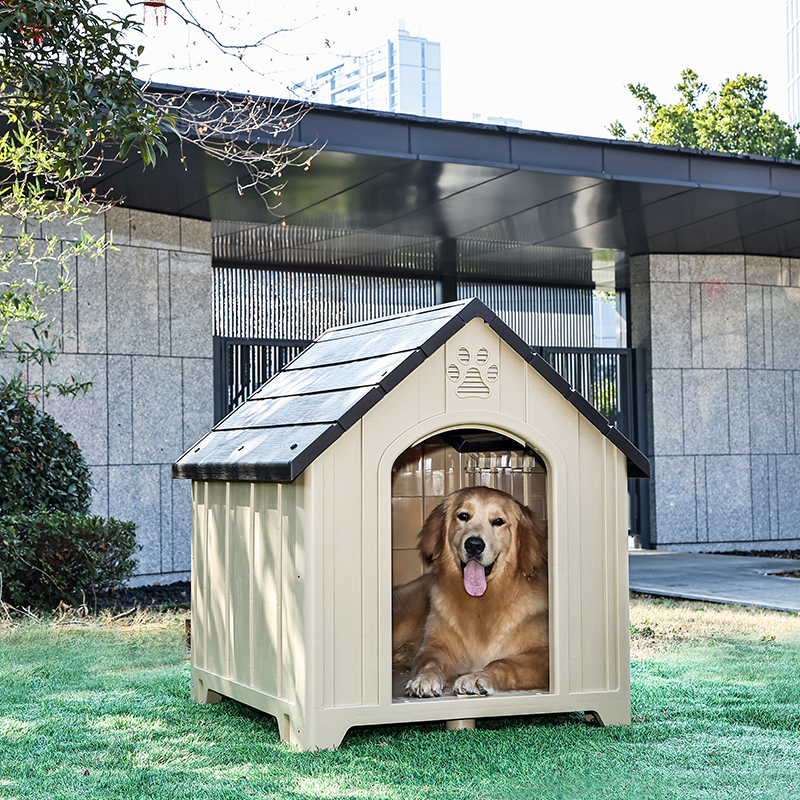
Outdoor placement brings practical exposure. Rain can pool near the base, sunlight can warm the outer shell, and damp ground can affect the inside over time. Protection does not have to be complicated. It often starts with position and routine care.
A raised or well-drained location can reduce contact with wet ground. A shaded area can lower direct exposure to strong sunlight. After rain, the shelter should be checked for water around the entry and under the floor. If the ground stays wet for long periods, moving the shelter or placing it on a more stable surface can help.
Regular wiping is also useful. Dust and grime can collect faster outdoors than many owners expect. When the outer surface is cleaned often, the shelter tends to keep its shape and appearance more easily. The same is true inside. Dry bedding and clean floors make the space more comfortable and reduce the chance of trapped moisture.
An Outdoor Plastic Dog House works better when it is placed as part of a small care routine rather than left unattended for long stretches.
Some design details matter because they affect daily use more than appearance does. A stable base can help the shelter stay in place. A shaped roof can help handle rain. A door opening that feels natural for the dog can reduce hesitation. Smooth interior walls can make cleaning easier and prevent dirt from catching in corners.
The following details often deserve attention before purchase:
The outdoor setting also shapes which details matter most. A shelter near a garden edge may need stronger resistance to dirt and moisture. A shelter on a patio may need a base that sits neatly and stays steady. A shelter in a windy area may need a design that feels more grounded and less exposed.
These choices are not dramatic, but they are the ones that shape how the shelter behaves after regular use begins.
Custom orders make sense when buyers need a shelter shaped around a particular market, a specific use case, or a familiar regional climate. The key is to approach the order with a clear purpose. The more defined the need, the easier it is to align the structure with actual use.
Before placing an order, it helps to think through a few practical points. What kind of dog will use it? Where will it be placed? Does the buyer need a compact form for limited space or a wider layout for a more open area? Is easier cleaning a priority? Does the market prefer a simple shape or a more enclosed one? These questions can guide the final choices without making the process overly technical.
A manufacturer can usually adjust several parts of the design, including size, entry shape, color direction, and packaging style. Even so, the order should stay grounded in real use. A shelter made for a shaded porch may not need the same layout as one placed in a more open yard. A product intended for routine retail sale may need a simpler structure than one meant for a niche market.
When the starting point is clear, the custom process becomes more focused and more useful for both sides.
An Outdoor Plastic Dog House is not only a shelter. It is part of a dog's daily environment, and that makes thoughtful selection important. The right choice depends on space, weather, airflow, materials, and care habits working together in a practical way. When those parts line up, the shelter becomes easier to use, easier to clean, and easier to fit into everyday life.



 English
 русский
 عربى
عربى