
A vehicle battery is more than a collection of cells placed inside a car. It is part of a larger system that needs to fit into the vehicle, connect with other components, and remain protected during everyday operation.
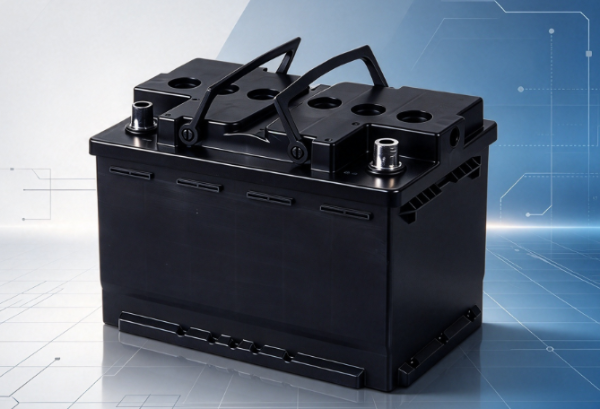
This is where an Automotive Battery Housing becomes important.
The housing provides a dedicated space for the battery and helps organize the components around it. It can also form a connection between battery design and the wider structure of the vehicle.
As vehicle designs continue to place greater attention on battery integration, the housing has become an area of interest for vehicle manufacturers, component producers, and product developers. Its role is not limited to simply covering the battery.
The design may need to account for installation, protection, access, internal organization, and the relationship between the battery and the vehicle body.
Understanding these functions helps explain why automotive battery housing is treated as an important part of vehicle development.
An Automotive Battery Housing is a structure designed to hold and protect a vehicle battery.
The basic idea is straightforward. A battery needs a defined location inside the vehicle. It also needs to remain in position while the vehicle is being used. The housing provides a space where the battery can be placed and secured.
But the housing does more than create a physical container.
It can also separate the battery from surrounding vehicle components. This helps create a more organized installation area. Depending on the vehicle design, the housing may also include areas for related components and connection points.
The exact shape and construction can vary because different vehicles have different layouts.
A battery installed in one vehicle may occupy a different area from a battery used in another. The available space, surrounding components, vehicle structure, and battery arrangement can all influence the housing design.
| Housing Role | General Purpose |
|---|---|
| Battery Support | Provides a defined place for the battery |
| Physical Protection | Helps shield the battery from its surroundings |
| Component Organization | Keeps battery-related parts arranged within the assembly |
| Vehicle Integration | Helps connect the battery assembly with the vehicle |
| Installation Support | Allows the battery system to be positioned within the vehicle |
This makes the housing part of the overall battery installation rather than an independent cover.
A vehicle operates in a changing environment. It moves, stops, turns, and passes through different road conditions. The battery therefore needs to remain properly positioned while the vehicle is in use.
A housing helps create a stable space for the battery.
Without a dedicated structure, battery installation would be more difficult to organize. Other vehicle components would also need to be arranged around the battery without a clear boundary between them.
The housing creates that boundary.
It can help separate the battery from nearby components and provide a defined installation area. This can make the vehicle's internal layout easier to manage.
Protection is another part of the picture.
A battery can be affected by contact with surrounding parts or by conditions within the vehicle. A suitable housing can act as a physical layer between the battery and its surroundings.
The housing can also support maintenance planning. When the battery assembly has a defined structure, access and replacement can be considered during vehicle development.
These functions are closely connected. A housing that holds the battery in place can also help organize the surrounding components and contribute to the overall vehicle layout.
The battery does not exist separately from the vehicle.
It needs to be placed somewhere within the vehicle structure. This means battery housing design is connected with the design of the vehicle itself.
Vehicle developers need to consider available space and the location of nearby components. The battery housing must fit within this environment without creating unnecessary conflicts with other parts.
This can make housing design an important part of product development.
A housing may need to follow the shape of the available installation area. It may also need to provide suitable points for mounting or connection.
The relationship can be viewed as a simple chain:
Vehicle layout → Battery position → Housing design → Battery installation
A change at one stage can affect another.
For example, if the battery position changes, the housing may need to be redesigned. If the vehicle structure changes, the battery installation area may also change.
This is why an Automotive Battery Housing is not simply selected after the vehicle has already been designed. In many applications, it is considered as part of the broader development process.
The housing can influence how the battery fits into the vehicle, while the vehicle layout influences the shape and arrangement of the housing.
Protection is one of the most visible roles of a battery housing.
The housing creates a physical barrier around the battery assembly. This can help reduce direct contact between the battery and surrounding vehicle components.
The exact protection requirements depend on the vehicle and battery design.
A housing may need to account for movement within the vehicle. It may also need to separate the battery from areas where other components are installed.
Environmental conditions can also influence the housing design. Vehicles may operate in different temperatures, road conditions, and surroundings. The housing therefore needs to be considered as part of the battery's operating environment.
Protection does not necessarily mean that the housing completely isolates the battery. The battery still needs to connect with other parts of the vehicle.
Instead, the housing helps create a controlled space around the battery while allowing the necessary connections and installation arrangements.
This balance is important.
A housing that is difficult to access may create challenges during maintenance. A structure that leaves too much of the battery exposed may provide less physical separation from nearby components.
The design therefore needs to consider protection together with installation and service requirements.
Yes. Battery integration is one of the reasons housing design has become an important part of vehicle development.
A battery needs to become part of the vehicle rather than simply being placed inside it.
The housing helps make this possible by providing a physical structure between the battery and the vehicle.
This can include areas for mounting, connection, and positioning. The housing can also help define how the battery assembly relates to other parts of the vehicle.
Different vehicle designs can create different integration needs.
A compact vehicle may have limited space available for the battery. Another vehicle may place the battery in a different area because of its overall layout.
In both cases, the housing needs to follow the application.
| Vehicle Consideration | Housing-Related Consideration |
|---|---|
| Available Space | Overall housing shape and placement |
| Battery Location | Position of the housing within the vehicle |
| Surrounding Components | Separation and arrangement |
| Vehicle Structure | Mounting and connection areas |
| Maintenance Access | Accessibility of the battery assembly |
This is why battery housing can be viewed as a bridge between the battery and the vehicle.
The battery has its own requirements. The vehicle has its own structure. The housing sits between the two and helps them work as part of one assembly.
There is no single housing shape that fits every vehicle.
The design starts with the application.
Manufacturers need to understand where the battery will be installed and how much space is available. They also need to consider the surrounding components and the way the battery connects with the vehicle.
The battery itself also affects the housing.
Its shape and arrangement determine the space that needs to be provided. If the battery design changes, the housing may need to change with it.
This creates a close relationship between battery development and housing development.
A simplified design process may involve several questions:
These questions help manufacturers approach housing design from the vehicle side rather than treating it as an isolated component.
This approach can also support different production requirements. A vehicle manufacturer may need a housing for one battery arrangement while another vehicle requires a different structure.
Customization can therefore become part of the development process.
Material selection is closely related to the intended role of the housing.
The housing needs to provide a suitable structure for the battery while fitting the requirements of the vehicle.
Different materials can offer different characteristics. Some may be selected for their structural properties. Others may be considered because they support particular manufacturing methods or vehicle design goals.
The choice also depends on how the housing will be produced.
A housing with a particular shape may require a manufacturing process that works well with the selected material. The design and production method therefore need to be considered together.
Manufacturers may also look at the relationship between the housing and the surrounding vehicle structure.
The housing is not an isolated product. It needs to fit into a larger assembly. Its material and construction can influence how it connects with other components.
This makes material selection an application-based decision.
Rather than asking which material is universally suitable, manufacturers can begin by asking what the housing needs to do in the intended vehicle.
That question provides a more practical starting point.
Battery development is closely connected with vehicle development.
As batteries become an important part of vehicle architecture, their supporting structures also need to be considered carefully.
The housing provides the physical link between the battery and the vehicle. It can affect where the battery is installed, how it is supported, and how nearby components are arranged.
This gives the housing a wider role than simple protection.
For vehicle manufacturers, housing design can become part of the overall product development process. Designers need to consider battery placement alongside the shape and structure of the vehicle.
For component manufacturers, this creates a different production requirement. They may need to work with vehicle-specific designs rather than a single universal housing.
The relationship between the battery, housing, and vehicle can be illustrated simply:
| Component | Main Relationship |
|---|---|
| Battery | Provides the energy storage function |
| Battery Housing | Supports, contains, and integrates the battery |
| Vehicle Structure | Provides the surrounding installation environment |
| Related Components | Connect with or operate around the battery assembly |
Each part has its own function, but the design decisions are connected.
This is why Automotive Battery Housing can become an important topic for vehicle development teams.
The housing sits at the meeting point between battery design and vehicle structure. Its shape, material, installation method, and access requirements can all be influenced by the vehicle in which it will be used.
As a result, battery housing is not simply an outer layer placed around a battery. It is part of the process of fitting the battery into the vehicle in a controlled and organized way.



 English
 русский
 عربى
